daytime-privacy-overlooked-windows
Get daytime privacy for overlooked windows without losing Queensland light. Learn which films work, where they fall short, and how to choose the finish.
Sep 25, 2026
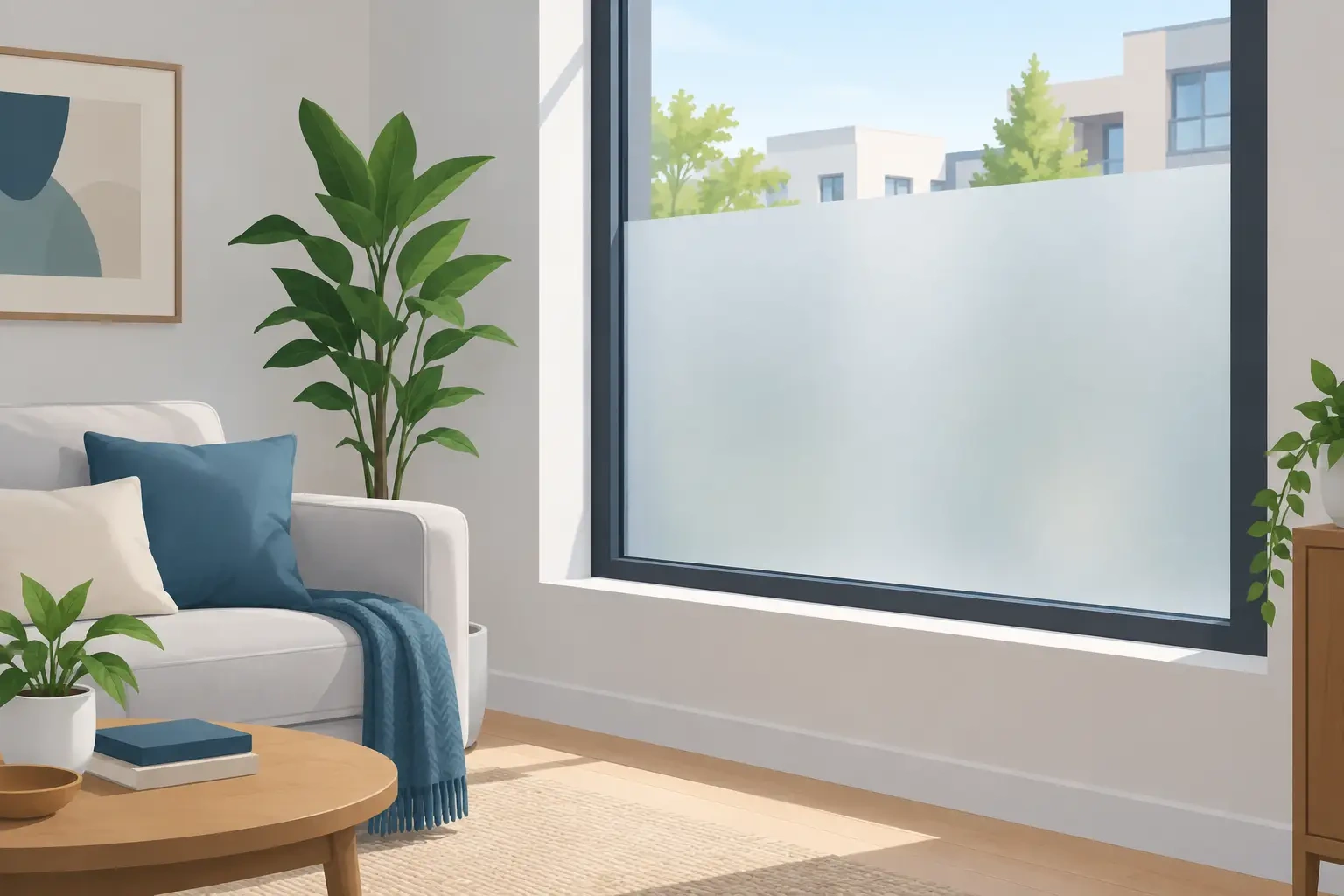
# Better Daytime Privacy for Overlooked Windows A neighbour looking straight into a kitchen, ensuite or home office can make an otherwise good room feel unusable. Daytime privacy for overlooked windows is often possible without shutting out the natural light, but the right answer depends on which direction the glass faces, what is outside it and when privacy matters most. For many Gold Coast and Brisbane homes, the first thought is a dark reflective tint. That can be effective, particularly on a bright, sun-exposed window, but it is not a one-size-fits-all fix. Privacy films work because of light balance. Frosted films work because they obscure the view completely. Knowing the difference avoids an expensive result that looks good at midday but disappoints after dark. ## Why overlooked windows need a tailored solution Overlooking is not always obvious until you move into a property or a new build goes up next door. Common trouble spots include side-facing bedroom windows, bathroom glazing, stairwells, apartments facing another tower, kitchen windows beside a shared driveway and office meeting rooms looking onto a neighbouring tenancy. The aim is usually more specific than simply making glass darker. You may want to stop people seeing into the room while keeping a view out. You may need to hide a bathroom but still allow daylight through. Or you might need privacy only across the lower half of a window, where a fence does not quite meet the sightline. I look at the window from both sides before recommending a film. The surrounding light, nearby homes, window height and how the room is used all affect the result. A clear, practical conversation before installation is far better than applying a film based on a photo alone. ## How daytime privacy window film actually works Reflective and tinted privacy films reduce visibility into a room during the day when it is brighter outside than inside. From the street or neighbouring property, the external face of the glass appears more reflective. Occupants can generally still see out, although the view will be darker and may have a slight tint. This is often a very good option for living areas, offices and street-facing windows that receive strong daylight. It can also reduce solar heat, glare and UV exposure at the same time. Depending on the film selected and the glass, solar-control window film can reduce heat by up to 79% and glare by up to 93%. There is one limitation that should always be stated plainly: reflective film does not provide the same privacy at night. Once indoor lights are switched on and outside light levels drop, the balance reverses. People outside may be able to see in, especially if they are close to the glass. That does not make reflective film the wrong choice. It simply means it suits windows where daytime overlooking and heat are the main problems, or where curtains, blinds or shutters can provide night-time cover. ### When frosted film is the better answer Frosted privacy film obscures the view from both sides at all times. It lets light pass through but breaks up shapes and detail, making it particularly useful for bathrooms, toilets, entrance sidelights, internal office partitions and windows close to a neighbour. It is a stronger privacy solution than reflective tint, but there is a trade-off. You lose a clear view out. For a bathroom window or a narrow side passage, that may not matter at all. For a living room with a garden outlook, it may be too much. A common compromise is frosting only the lower section of the glass. This blocks the direct sightline from next door while leaving the upper part clear for sky, trees and daylight. Decorative bands, graduated designs and cut vinyl can also create privacy without covering the entire pane. ## Choosing film by room, not just by appearance The film that suits a front office is rarely the same film that suits a bedroom. The best starting point is to decide what the room needs to do. ### Living rooms and kitchens For bright living spaces, a solar-control privacy film can be a sensible choice. It helps reduce the harsh Queensland sun, glare on screens and daytime views into the room, while preserving the connection to the outside. Consider the orientation, though. A west-facing window may benefit from a stronger solar film than a shaded southern window. A very dark film can make a room feel noticeably dimmer on overcast days. I will normally recommend the lightest film that achieves the privacy and heat result you are after. ### Bedrooms Bedrooms need a more careful conversation because privacy is often needed morning, afternoon and night. If the window is close to another home, frosted film on part or all of the glass may be the reliable option. If there is more distance between properties and the concern is mainly daytime, reflective film combined with an existing blind or curtain can work well. For renters and landlords, privacy film can improve a room without the cost and disruption of replacing glazing or adding permanent screening. It can also make an awkwardly positioned bedroom more appealing to prospective tenants. ### Bathrooms, laundries and ensuites These are usually straightforward. Frosted film offers constant privacy while retaining natural light, which is often preferable to keeping a blind closed all day. Full coverage is common, but a clear strip at the top can work where ventilation windows or an open outlook are useful. The finish does not need to look flat or clinical. Modern frosted and decorative films come in different levels of opacity and patterns, so the result can suit a renovated home as easily as a commercial fit-out. ### Home offices and commercial spaces For a home office, glare reduction can be as valuable as privacy. A suitable solar film can make computer screens easier to use while helping prevent people outside from seeing paperwork, equipment or staff during daylight hours. In commercial settings, frosted bands or full-height frosting are often used on meeting room glass, consulting rooms and internal partitions. This keeps the space bright while giving staff and customers the discretion they expect. For shopfronts, the balance may be different again: a business may want daytime privacy in back-of-house areas but clear visibility into the retail space. ## Check the view from the likely viewing point A film can look private when you stand directly in front of it but perform differently from an upstairs balcony, a neighbouring deck or a footpath at an angle. That is why site assessment matters. Before choosing a film, look at the glass from where people are most likely to view it. Check it in full sun, if possible, and consider what happens when lights are on inside. Also take note of nearby security lights, streetlights and pool lighting, as these can alter how glass appears at night. Windows with flyscreens, security screens or external awnings may affect the look from outside but do not necessarily replace a proper privacy solution. In some cases, they help. In others, they create a false sense of privacy while leaving clear views through the glass from the right angle. ## Heat, glare and fading are worthwhile extras If you are applying film for privacy, it is worth considering the other problems that same glass creates. Large exposed windows can make rooms uncomfortable, fade flooring and furnishings, and send glare across televisions or workstations. A quality solar-control film can address several of these issues at once. The best choice depends on the existing glass and the amount of light you are willing to reduce. More heat rejection generally means a more noticeable appearance, so the decision is about balance rather than chasing the darkest possible film. For heritage-style homes, newer builds with large glazing and commercial premises alike, film is often a practical alternative to replacing windows. It can improve the performance of existing glass with far less disruption than a glazing upgrade. ## Get clear advice before the film goes on Photos and rough measurements are useful for an initial price, but a proper recommendation should account for the glass, access, window frames and the privacy outcome you expect. I have been installing window film since 1993, and I personally quote and install each Trade Tint job across the Gold Coast and Brisbane. If you can provide the width and height of each pane, I can give you a [clearer starting price](https://www.tradetint.com.au/blog/window-tinting-cost-gold-coast-what-to-expect) quickly. It also helps to explain whether your main concern is daytime overlooking, night-time privacy, heat, glare or all of the above. The right film should make the room easier to live or work in, not leave you wishing you had kept the light or the view.