frosted-film-for-bathroom-windows
Frosted film for bathroom windows adds privacy without blocking daylight. See the best finishes, coverage options and fitting advice for Queensland homes.
Sep 25, 2026
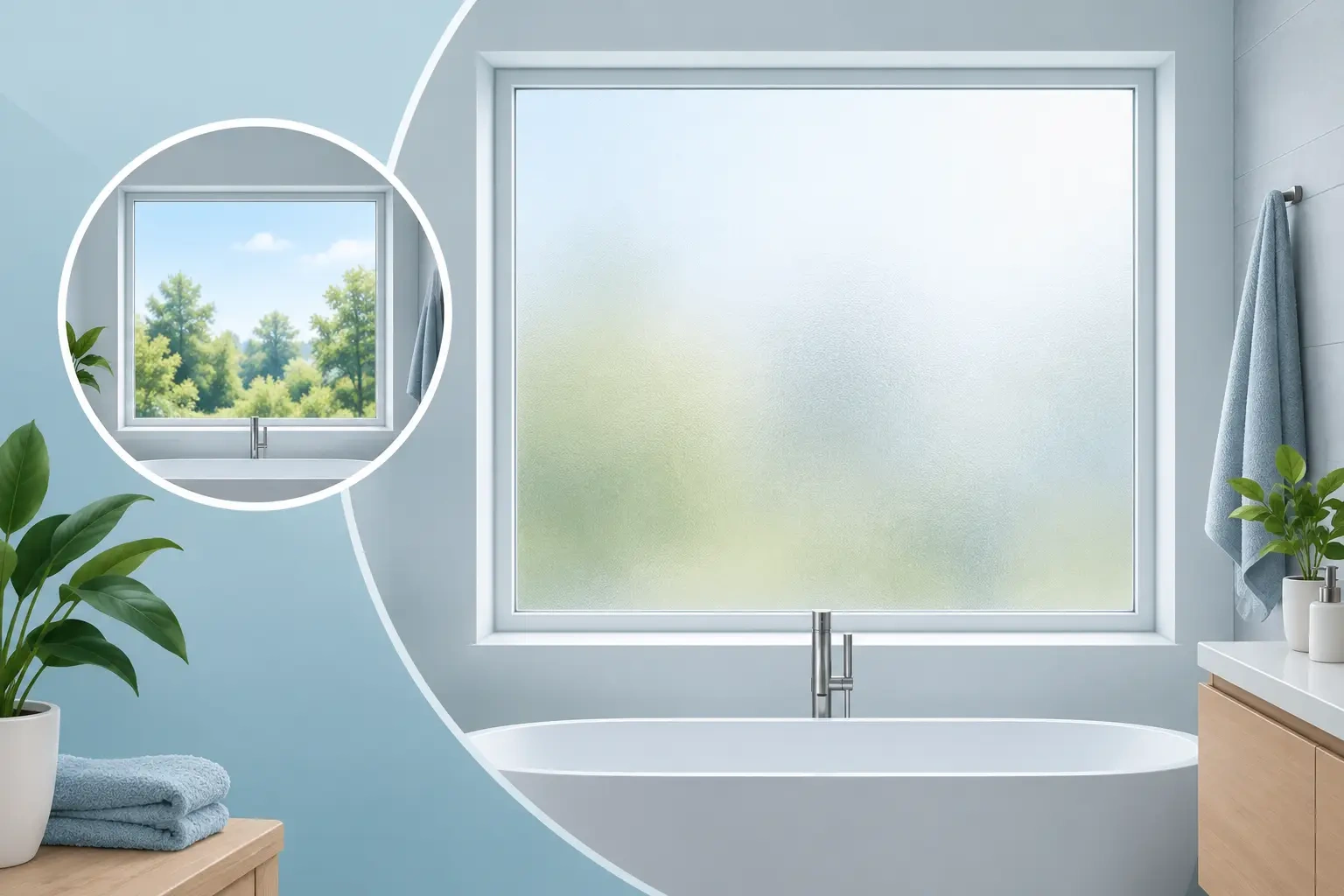
# Frosted Film for Bathroom Windows: Is It Worth It? A bathroom window should bring in daylight, not leave you wondering whether the neighbours can see more than they should. Curtains can feel bulky, blinds collect moisture and dust, and replacing perfectly good glass for obscure glazing is often an unnecessary expense. Frosted film for bathroom windows is a practical way to create lasting privacy while keeping the room bright. For Gold Coast and Brisbane homes, it is especially useful in bathrooms that face a side boundary, overlook a pool area, sit close to another dwelling or open towards a busy street. The right film can make a small ensuite feel more private without making it darker or more enclosed. ## What frosted film actually does Frosted window film uses a translucent finish to scatter light passing through the glass. You still get natural daylight, but the clear view through the pane is removed. From outside, the glass has a clean etched or sandblasted appearance rather than looking covered up. This makes it different from a dark tint. Dark tint is often chosen to reduce heat, glare and UV exposure, whereas frosted film is primarily about privacy and appearance. In a bathroom, that distinction matters. Most people want plenty of light near the vanity and shower, just without a clear line of sight from outside. The amount of privacy depends on the film finish, lighting and how close someone is to the glass. A quality frosted film will obscure facial detail and stop a clear view into the room. Shapes and movement may still be visible at close range, particularly if the bathroom is brightly lit at night. It is a privacy solution, not a blackout blind. ## When frosted film for bathroom windows makes sense The best candidates are clear windows where privacy is the main problem and the existing glass is otherwise in good condition. This includes fixed bathroom panes, awning windows, louvre surrounds, sidelights and glass panels beside a shower or toilet. Full coverage is usually the simplest choice for a window directly facing a neighbour. It creates an even finish and lets you use the whole pane without thinking about sightlines. For higher windows, many homeowners prefer a band or partial panel of film. This can hide the view at standing height while leaving a clear strip at the top for an open outlook or extra sky light. Partial coverage needs to be planned properly. A strip that looks private when you are seated in the bath may not provide enough coverage when you are standing at the vanity. I look at the window height, the view from adjoining properties and how the bathroom is actually used before recommending where the film should finish. Frosted film also works well for internal bathroom glazing. A clear panel beside an ensuite door, a bathroom borrowed-light window or a glass partition can let daylight travel through the home while keeping the room private. In these applications, decorative patterns can add a more individual finish without compromising the practical purpose. ## Choosing the right finish Not all frosted films look the same. A standard frost has a soft, even appearance that suits most homes and is usually the most cost-effective option. It is clean, neutral and unlikely to date quickly, which makes it a sensible choice for landlords, renovators and property managers. For a more designed look, there are films with a finer etched finish, subtle texture, stripes, geometric patterns or custom-cut sections. These can suit contemporary bathrooms, commercial amenities or clinics where privacy and presentation both matter. A decorative film should still be selected for the way it performs from both sides of the glass, not just the sample viewed in isolation. Colour is another consideration. Most bathroom privacy films are white or lightly translucent because they preserve the greatest amount of light. Heavier grey, coloured or patterned options can look striking, but they may reduce brightness. In a small bathroom with limited natural light, a plain frost is often the better call. If heat is also a concern, particularly on a west-facing bathroom window, a privacy film alone may not give you the solar performance you want. Some film options can combine privacy with [heat and glare control](https://www.tradetint.com.au/blog/how-to-reduce-window-heat), but there is always a trade-off between a bright frosted appearance and maximum solar rejection. The best option depends on the direction of the glass, the size of the window and whether the bathroom gets uncomfortable in the afternoon. ## The common question: does it work at night? Yes, frosted film continues to obscure the view after dark, but the effect changes when lights are on inside. A bright bathroom against a dark exterior can make silhouettes more noticeable. Someone outside still cannot clearly see into the room, but they may see that somebody is moving around. For most suburban bathrooms, full frosted coverage provides the privacy people are after. If the window faces a very close neighbour, a shared walkway or a frequently used outdoor area, consider combining the film with an exterior screen, plantation shutter or blind for complete night-time visual blocking. This is one of those cases where the honest answer is that it depends on the exact sightline. ## Why professional installation is worth considering Bathroom windows are often smaller than living room glazing, but they are not always straightforward. Tight reveals, tiled walls, security screens, louvre frames and awkward access can make a neat finish harder than it first appears. Film has to be accurately measured, cut cleanly and applied to thoroughly prepared glass to avoid contamination, lifting edges and visible imperfections. Moisture is another reason to have the job done correctly. Properly installed architectural film adheres to the glass, not the window frame or grout line. Normal bathroom humidity is not a problem once the film has cured, but the edges need to be kept clean and correctly finished. It should not be treated like a temporary plastic covering. I have installed window film since 1993, and I personally quote and install each Trade Tint project. That means you can discuss the view, privacy concern and preferred finish with the person who will do the work, rather than being passed from a salesperson to an installer who has not seen the job. ## Glass type and safety considerations Before applying any film, the glass needs to be identified. Standard clear glass is generally a straightforward surface for frosted film. Textured, patterned, cracked or heavily weathered glass can be different, and some double-glazed units, low-E coatings and specialty glass require a more careful film selection. If your concern is broken glass near a shower, bath or children, privacy film is not the same as safety or security film. A dedicated safety film can help hold broken glass together, but it does not automatically make unsuitable glazing comply with current building requirements. Where safety glazing is required, it is worth getting clear advice on the glass itself rather than assuming a frosted finish changes its rating. Film is also an excellent option for rental properties because it can improve privacy without the cost and disruption of replacing the window. Property owners should still approve the work, and the film choice should suit the condition of the glass and the expected lifespan of the installation. ## Care after installation Newly applied film needs time to cure. Small water pockets or a slightly hazy appearance can be normal during the curing period, particularly in humid Queensland weather. They usually clear as the moisture evaporates through the film adhesive. After that, cleaning is simple. Use a soft microfibre cloth with clean water or a mild, non-abrasive glass cleaner. Avoid scouring pads, razor blades and harsh powders around the film. If silicone, mould treatment or tile cleaner is being used nearby, keep it off the filmed glass where possible. A frosted finish also hides fingerprints and water spotting better than clear glass in many bathrooms, although it still benefits from regular cleaning. Good ventilation will do more for preventing mould around frames and seals than any window film can. ## Getting the coverage right from the start The most effective bathroom privacy solution is usually the one that looks intentional. Rather than choosing film only from a small swatch, consider the window as part of the whole room: tile colour, natural light, ventilation, the view outside and whether you want the finish to disappear or become a design feature. For an accurate quote, measure the visible glass width and height of each pane, then note whether the window is clear, textured, fixed, sliding or louvred. A few photos of the bathroom and the view from outside are also useful. That makes it much easier to recommend a finish that gives you privacy where you need it, while keeping the daylight that makes the room pleasant to use.