How-To-Reduce-Window-Heat
Learn how to reduce window heat in Gold Coast and Brisbane properties with practical shading, sealing and window film advice for cooler rooms year-round.
Sep 21, 2026
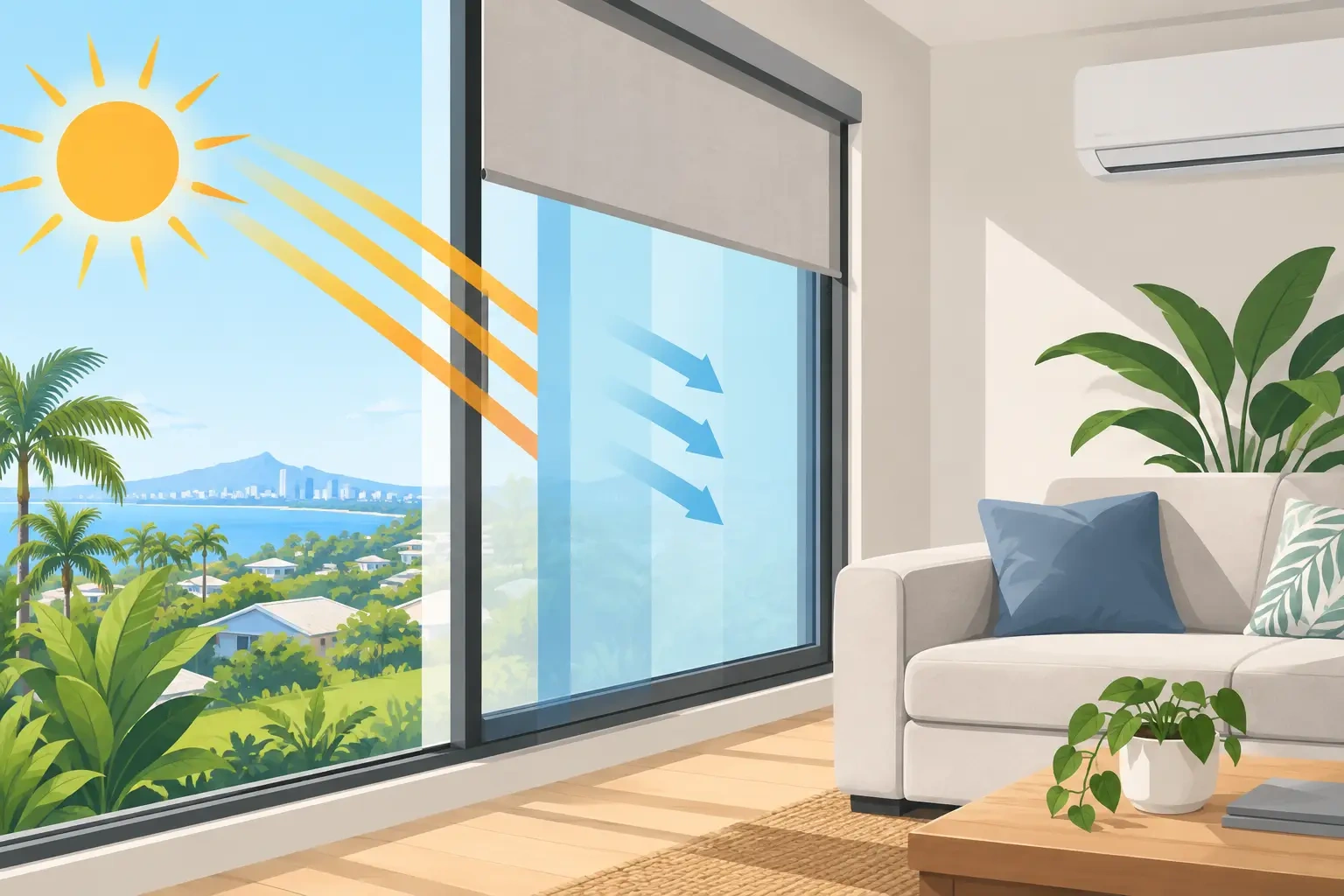
How to Reduce Window Heat in Queensland Homes Learn how to reduce window heat in Gold Coast and Brisbane properties with practical shading, sealing and window film advice for cooler rooms year-round. That west-facing lounge can be comfortable at breakfast and almost unusable by late afternoon. On the Gold Coast and in Brisbane, glass lets in welcome daylight but can also bring in a serious amount of solar heat, glare and UV. If you are working out how to reduce window heat, the best answer is usually a combination of sensible shading, well-sealed windows and the right solar-control film for the glass you already have. Replacing windows is not the only way to improve comfort. For many homes, offices and shopfronts, improving the performance of existing glazing is faster, less disruptive and more affordable than a full window replacement. The key is identifying where the heat is entering and choosing a solution that suits the room, the direction it faces and how you use the space. ## Start with the windows taking the most sun Not every hot room has the same problem. A north-facing window receives a different pattern of sun from a west-facing window, while a large bank of sliding doors can create heat gain that a small bedroom window never will. Before spending money, walk through the property at the time it feels hottest. You will often find that only a few panes are causing most of the discomfort. West-facing glass is commonly the biggest issue in Queensland homes because it catches low, intense afternoon sun. This can make a lounge, bedroom or home office hard to use just when people arrive home. East-facing windows can create morning glare and heat, while north-facing glass may receive strong sun for longer periods, particularly where there is little eave protection. Look for practical signs: rooms that need air conditioning earlier than the rest of the house, floors and furniture that feel hot near the glass, television or computer screens washed out by glare, and curtains that must stay closed during daylight hours. These clues help determine whether external shade, internal coverings, film or a combination will deliver the best result. ## Use external shade where it works Stopping sun before it reaches the glass is highly effective. A properly designed awning, pergola, exterior blind or shade structure can reduce direct solar load, particularly on north and west elevations. Established landscaping can help too, although trees need the right position and ongoing maintenance to avoid blocking light where it is wanted or creating leaf litter around gutters. External shading is not always simple. Awnings and blinds may be difficult on upper-storey windows, exposed areas or strata-managed buildings. They can also affect the appearance of a façade, require council or body corporate approval, and may not suit a shopfront that needs clear visibility from the street. In those cases, window film provides a practical way to improve the glass itself without changing the building exterior. Curtains and internal blinds are still useful for privacy and night-time insulation, but they generally deal with heat after it has passed through the window. They can make a room feel darker and may not solve glare around the edges. They work best as part of a wider plan rather than the only line of defence against harsh sun. ## How to reduce window heat with solar-control film Solar-control window film is designed to reduce the amount of solar energy passing through glazing. Depending on the film selected and the existing glass, it can cut heat by up to 79% and reduce glare by up to 93%. It also filters a high proportion of damaging UV, helping protect timber floors, furnishings, artwork, stock and fabrics from fading. The right film does more than make glass darker. There are light, neutral films that retain a bright, open feel, as well as more reflective options for areas with major heat and glare problems. Some films provide daytime privacy by making it harder to see in from the brighter side, while others are chosen mainly for solar performance with minimal change to the view. A darker film is not automatically the best choice. In a shaded room, heavy tint can reduce useful natural light and make the space feel closed in. In a room with strong west sun, a higher-performing film may be exactly what is needed. The sensible approach is to match the film to the glass, orientation, room use and your preference for appearance. Film also needs to be suitable for the type of glazing. Standard clear glass, toughened glass, double glazing, laminated glass and some older glass types can have different limitations. Applying the wrong product can increase thermal stress in certain situations. This is why an on-site assessment matters, especially for large panes, older windows or commercial glazing. ## Keep hot air from finding its way indoors Glass is often the main source of solar heat, but poorly sealed windows can add to the problem. Check for worn seals, gaps around frames and sliding windows that do not close tightly. On a windy or stormy day, small gaps can be easier to detect, and they can let conditioned air escape while warm outside air enters. Replacing damaged weather seals and adjusting latches can make a noticeable difference to comfort, particularly in bedrooms and air-conditioned living areas. It will not stop radiant heat coming through a sun-exposed pane, but it helps your cooling system do its job without working against leaks around the frame. If you are renovating, consider the full opening rather than the glass alone. Insulation around the wall, external shade, window coverings and draught sealing all play a part. For existing homes where replacement is not on the cards, film and sealing are often the least disruptive upgrades. ## Reduce glare without giving up the view Heat and glare usually arrive together, but they are not exactly the same problem. A room can feel thermally manageable yet still be frustrating because sunlight makes a television, laptop or reception screen hard to see. This is common in home offices, meeting rooms, retail counters and living spaces with large doors facing the afternoon sun. Solar-control film can reduce glare while keeping the room usable during the day. That means fewer closed blinds, less dependence on artificial lighting and clearer views outside. The result should be a more comfortable room, not a permanently dark one. For offices and commercial spaces, this can have a direct effect on staff comfort and productivity. Staff should not have to change desks, pull blinds down all day or battle screen reflection every afternoon. For retail premises, the goal may be different: control heat and fading without hiding products or making the shopfront look uninviting. Film selection should reflect those priorities. ## Protect interiors from Queensland UV Queensland sunlight can be hard on interiors. Floors near windows often fade first, followed by lounges, curtains, rugs, display stock and timber furniture. UV is a major contributor, but visible light and solar heat also play a part. No treatment can eliminate fading entirely, especially in a room with constant sun exposure, but reducing UV and solar load can slow the damage significantly. This is worth considering before a new floor, sofa or office fit-out goes in. Treating the glass after the fact is still beneficial, but planning ahead gives you more freedom to choose where valuable furnishings and displays sit. ## Choose a solution that suits the property The best approach depends on the building. A single hot bedroom may only need one carefully selected film. A waterfront apartment may need glare control and daytime privacy while preserving a bright outlook. A warehouse office may need a practical solution across broad areas of glass, while a street-facing business may need to balance solar control with a professional presentation. [Cost also depends](https://www.tradetint.com.au/blog/window-tinting-cost-gold-coast-what-to-expect) on access, pane sizes, glass type and the film required. Measured window sizes are useful for providing an initial price, but the details matter. Large panels, difficult access and specialised safety or privacy requirements can change the scope. At Trade Tint, I personally quote and install each job, drawing on more than 30 years of hands-on window film experience. That means the person assessing the heat problem is the same person fitting the film, with no sales-to-installer handover and no guesswork about what has been recommended. ## A practical next step Choose the room that causes the most grief on a hot afternoon and note when the sun hits, which windows are involved and whether heat, glare, privacy or fading is the main concern. A tailored film recommendation can then target the actual problem rather than simply making every window darker. Done properly, you should be able to enjoy the light, keep the view and spend less time fighting the heat.