replace-bubbling-window-tint-film
Learn when to replace bubbling window tint film, why bubbles form, and how a professional refit restores comfort, privacy, UV protection and clean finish.
Sep 28, 2026
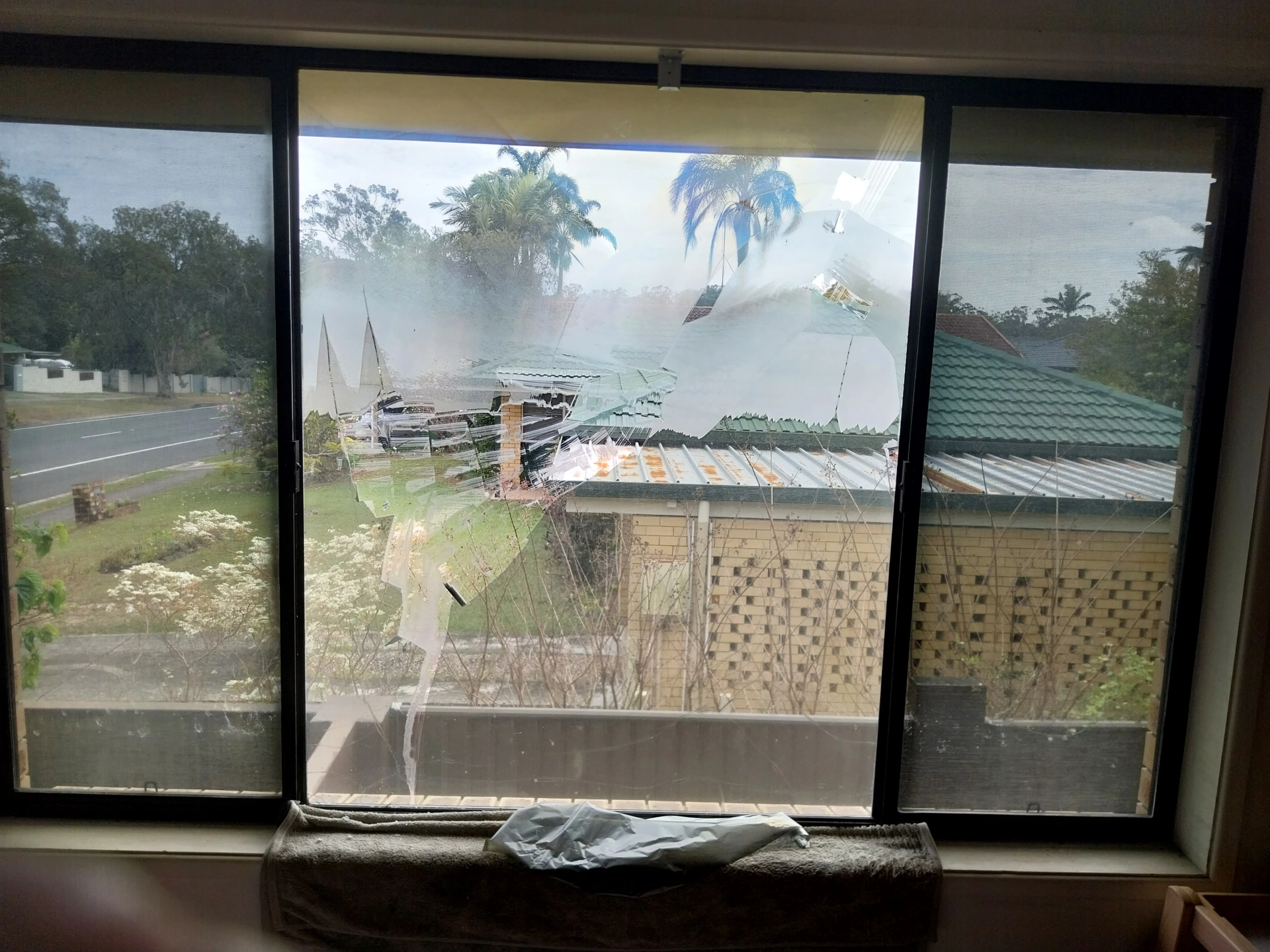
# When to Replace Bubbling Window Tint Film A few small bubbles can quickly turn a good-looking window into something you notice every time you walk past it. If you need to replace bubbling window tint film, the key question is whether the film is still curing or whether its adhesive has failed. For older tint, bubbling is usually a sign that removal and replacement will give a far better result than trying to patch the problem. Window film should sit flat against the glass, with a clean, even appearance from both inside and outside. When it begins to lift, ripple or form visible air pockets, it can affect the look of the room, reduce visibility and compromise the performance you installed it for in the first place. ## Why window tint film starts bubbling Most bubbling on established window tint comes back to adhesive breakdown. Film adhesives work hard in Gold Coast and Brisbane conditions, particularly on windows exposed to long hours of direct sun. Heat, UV exposure and age gradually weaken the bond between the film and glass. Once that bond begins to fail, air and moisture can get underneath, causing bubbles, ripples or sections that peel around the edges. Older films are more likely to show other signs at the same time. You may see a purple or patchy colour, haziness, scratches, cracking, fading, or a surface that feels dry and brittle. On privacy or reflective films, the change can be especially obvious because uneven sections catch the light differently. Poor original installation can also be a factor. Contamination left on the glass, incorrect preparation, unsuitable film selection or low-quality materials can shorten a film’s working life. That does not mean every bubble is caused by poor workmanship - even a professionally installed quality film will eventually reach the end of its service life - but it does make a proper inspection worthwhile before choosing a fix. ### New film can look different while it cures Not every mark beneath freshly fitted window film is a failure. After installation, some small water pockets, a slightly cloudy appearance or faint streaking can be part of the drying process. Depending on the film, weather and amount of sunlight on the glass, curing may take several weeks. Fresh film should not be poked, pressed hard or pierced in an effort to remove those marks. That can damage the adhesive or leave a permanent blemish. If the film is newly installed and you are unsure what you are seeing, allow the appropriate curing time and ask the installer to assess it. Bubbles appearing months or years after installation are different. They rarely disappear on their own, and they generally spread as the adhesive continues to deteriorate. ## When to replace bubbling window tint film Replacement is usually the sensible option when bubbles are visible across more than a small isolated area, when the film is lifting at the edges, or when the adhesive has become discoloured. A single damaged spot may sometimes be less noticeable, but architectural window film cannot normally be repaired invisibly. Cutting out a bubble or sticking down a loose edge tends to leave a visible line, distortion or mismatched finish. It also depends on the window’s purpose. A bubble in a rarely used storeroom may be mostly cosmetic. Bubbling on a living room window facing the afternoon sun, an office meeting room or a customer-facing shopfront is a different matter. It can reduce the professional appearance of the space and may mean you are no longer getting the heat, glare or privacy benefit you need. If your existing film is old, replacement lets you reconsider what the room actually requires now. A home office may need stronger [glare reduction](https://www.tradetint.com.au/blog/how-to-stop-screen-glare-in-your-home-or-office). A renovated bathroom may suit a frosted privacy film. A commercial reception area may need a decorative film that improves privacy while keeping the space bright. Replacing like-for-like is possible, but it is not always the best use of the opportunity. ## Why removing and reapplying is better than patching Once adhesive failure has started, the affected section is rarely the only weak point. The remaining film may look acceptable for a while, but it has been exposed to the same heat and age. Patching one bubble can therefore become a short-term fix that leaves you with another issue soon after. Professional removal takes more care than simply pulling the film away. Aged film can tear into small pieces and leave adhesive on the glass. Removing it incorrectly can mean hours of scraping, messy residue and an increased risk of scratching the pane or damaging surrounding seals. I assess the existing film and glass before removal, then use the right process to lift the old material and adhesive cleanly. The glass needs to be properly prepared before new film is installed. This is what gives replacement film the best chance of sitting flat and performing as intended. Applying new film over old bubbling tint is not a solution. The bubbles, contamination and failed adhesive beneath will still affect the final finish. It can also make future removal far more difficult. ## Choosing the right replacement film The right replacement should be based on the direction of the glass, the amount of sun it receives, how the room is used and what result matters most to you. A darker film is not automatically the best choice. It may cut glare well, but can make a naturally dim room feel darker. Some lighter solar-control films maintain more natural light while still [reducing heat](https://www.tradetint.com.au/blog/how-to-reduce-window-heat) and UV exposure. For homes across the Gold Coast and Brisbane, solar-control film is often the practical answer for hot west-facing windows, bright living areas and rooms where furnishings are fading. Depending on the selected product and glass configuration, window film can reduce heat by up to 79% and glare by up to 93%. It can also help reduce UV exposure that contributes to [fading of flooring, furniture](https://www.tradetint.com.au/blog/uv-film-for-fading-furniture), artwork and fabrics. Privacy needs require a separate conversation. Reflective film can provide daytime privacy where the outside is brighter than the room inside, but it does not create the same privacy at night with indoor lights on. Frosted film is usually a better choice for bathrooms, overlooked side windows, internal office glazing and meeting rooms where consistent privacy is required at all hours. For commercial properties, appearance and continuity matter as much as performance. If one pane has failed but neighbouring panes have aged, replacing only one section may leave an obvious difference in colour or reflectivity. In some cases, replacing a run of glazing provides the more consistent result. I will be upfront about that trade-off rather than recommending a partial replacement that is likely to look mismatched. ### A note on double glazing and special glass Not every film suits every type of glass. Double-glazed units, laminated glass, low-E glass and certain older panes need the right film selection to manage thermal stress and preserve the glass manufacturer’s requirements where applicable. This is another reason not to treat bubbling tint as a simple DIY peel-and-stick job. An experienced site assessment considers the glass type as well as sun exposure, existing damage, frame condition and the intended use of the room. The aim is a film choice that delivers a worthwhile improvement without creating a new problem. ## What the replacement process looks like A straightforward replacement starts with a look at the existing tint and measurements of the glass. Photos can help with initial advice, but inspecting the windows in person is useful where there is extensive bubbling, difficult access, unusual glazing or uncertainty around the current film. After confirming the suitable replacement film, the old tint is removed carefully and the glass is cleaned of adhesive residue. New film is then cut and installed to suit each pane. A professional finish includes tidy edges, careful handling of frames and a clear explanation of expected curing time and aftercare. For landlords and property managers, scheduling matters. Film replacement can often be planned around tenant access, office hours or quieter retail periods. The amount of time required depends on the number of panes, the age and condition of the existing film, and how difficult it is to remove. Old, sun-baked film can take longer than newer material, so an accurate quote should allow for the removal work rather than treating it as an afterthought. I personally quote and install each project, from a single bubbling residential pane through to larger commercial glazing. If you can provide measured window sizes, I can often give immediate pricing, including the stated 10% discount, before confirming the site details. ## Do not wait until the film is hanging off the glass Bubbling tint is easier to deal with before it becomes badly brittle or starts peeling in large sections. Early replacement restores the appearance of the glass and gives you the chance to improve comfort, glare control or privacy with a film that suits the space now - not the space you had years ago. A clear, flat finish should not be something you put up with less than. Get the bubbling assessed, choose a film for the way you live or work, and let the windows do their job properly again.