security-film-against-glass-break-ins
Security film against glass break-ins helps hold shattered glass together, slowing forced entry. Learn where it works, its limits and how to choose it well.
Sep 27, 2026
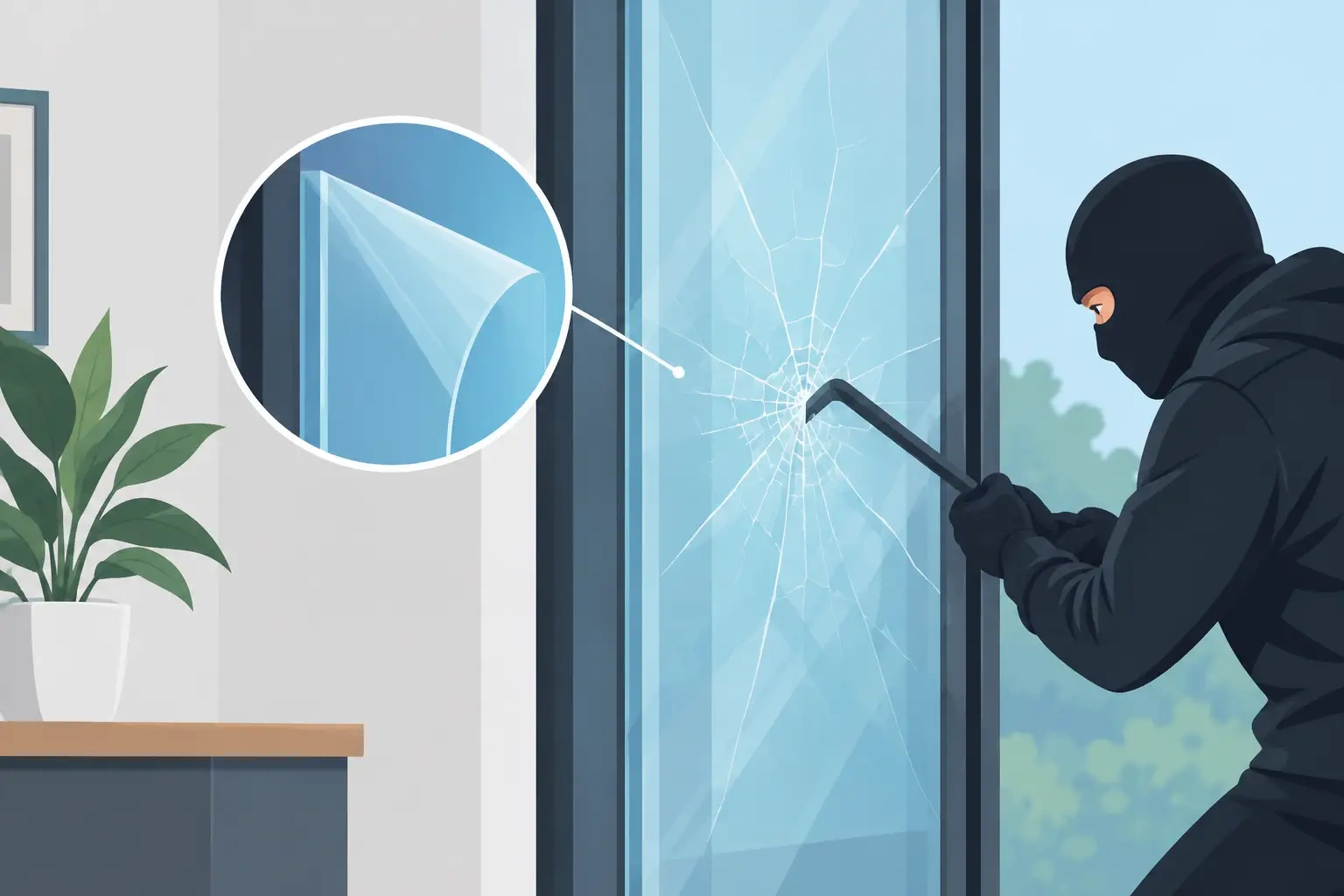
# Does Security Film Against Glass Break-Ins Work? A smashed window can turn a quick, opportunistic break-in into an expensive and unsettling mess. Security film against glass break-ins is designed to make that entry harder by holding broken glass together after impact, rather than allowing the pane to collapse into the room or shopfront. For Gold Coast and Brisbane properties, it is a practical upgrade for vulnerable windows, glass doors and street-facing glazing. It does not make glass indestructible, and it should not be sold as a substitute for good locks, lighting or an alarm. What it can do is buy time, reduce the immediate opening created by broken glass and help keep dangerous shards contained. ## What security film does when glass is struck Security window film is a clear, heavy-duty polyester film applied to the inside surface of existing glass. Once installed, it bonds to the glass with a strong adhesive. If somebody hits the pane with a tool, shoulder or thrown object, the glass may still crack. The difference is that the film helps hold the fractured pieces together. Without film, ordinary glass can break away quickly, leaving a clear opening. With the right security film, an intruder may need repeated impacts to push or pull the damaged pane from the frame. That added effort creates noise, takes time and increases the chance they will move on or be noticed. This containment also has a safety benefit. Broken glass is less likely to scatter across the floor, display area or entryway. For homes, that can matter around children, pets and frequently used glass doors. For businesses, it can reduce the clean-up and immediate hazard after vandalism or an attempted forced entry. The aim is delay, not a promise that no one can ever get through. A determined offender with enough time and the right tools may still defeat a filmed window, particularly if the frame itself is weak. Honest advice starts there. ## Where security film against glass break-ins makes sense The best application is usually the glass an intruder can reach easily and use to gain access. That may be a side window behind a gate, a sliding door at the rear of a house, glazed panels beside an entry door, or a shopfront facing a quiet car park after hours. For residential properties, I often recommend looking beyond the obvious front windows. Ground-floor bathroom windows, laundry doors, side access glazing and rear living-room doors can be less visible from the street. A break-in attempt does not always happen where the glass is largest - it happens where access looks easiest. Commercial properties have different pressure points. Retail shopfronts can be exposed to impact and smash-and-grab attempts. Offices may have glazed entrance doors or partitions that allow someone to reach an internal lock after breaking a nearby panel. Schools, strata buildings and facilities with accessible ground-floor glazing can also benefit from reducing the chance of glass falling inward after damage. Security film is especially worthwhile where replacing glazing with laminated security glass is unnecessary, disruptive or beyond the available budget. Film allows many existing windows to be upgraded without removing the frame or undertaking a larger renovation. ## The glass, frame and installation all matter Not every window will perform the same way after film is fitted. The type and condition of the glass, the way it sits in the frame and the strength of the frame all affect the outcome. Older annealed glass commonly breaks into larger shards and is a common candidate for security film. Toughened glass breaks into small pieces, so film can still help retain fragments, but its break pattern is different. Laminated glass already has an interlayer designed to hold broken glass together, so the benefit of adding film needs to be assessed against the specific risk and result you want. The frame deserves just as much attention as the pane. If the glass can be pushed out of loose glazing beads or a weak frame, a film-only installation may not deliver the delay you expect. Higher-security applications can require an attachment system that secures the film at the edge to the frame. That detail helps the filmed glass stay in place under force rather than peeling or releasing around the perimeter. This is why a quick recommendation based only on the size of a window can be misleading. Before quoting, I look at the glass type, access, frame condition, likely point of attack and whether the goal is deterrence, shard retention, forced-entry delay or a combination of all three. ## Security film is one part of a better defence A filmed window works best alongside sensible physical security. Quality locks, security screens where appropriate, sensor lights, visible cameras and clear sightlines all change the risk. The goal is to make entry noisy, slow and unattractive. For a home, that might mean security film on accessible glass doors combined with properly working door locks and keeping keys away from nearby glazing. For a retail premises, it may mean filmed shopfront glass, roller shutters where suitable and alarm coverage that responds to a broken pane. There is also a practical difference between deterring a casual attempt and resisting a targeted attack. Film is very effective at frustrating the first kind of incident because it removes the quick smash-and-reach option. A property with valuable stock, repeated vandalism or a known high-risk location may need a wider security review, including stronger glazing, shutters or other physical barriers. ## Choosing the right film without overbuying Security films come in different thicknesses and constructions. Thicker is not automatically the right answer. A heavier film may provide better hold and delay, but it can cost more and may need a more specialised edge attachment system to make full use of its performance. Clarity matters too. Most security films are designed to be clear, which is useful when you want protection without changing the appearance of a home or shopfront. Some properties, however, also need relief from [Queensland heat](https://www.tradetint.com.au/blog/how-to-reduce-window-heat), glare or [UV exposure](https://www.tradetint.com.au/blog/uv-film-for-fading-furniture). In those cases, a combined safety, security and solar-control option may be worth considering. That choice involves a trade-off. Tinted or reflective films can [reduce glare](https://www.tradetint.com.au/blog/how-to-stop-screen-glare-in-your-home-or-office) and heat, but may alter the appearance of the glass, especially from outside. A clear security film preserves the existing look but will not deliver the same solar-control result. The right product depends on which problem is most pressing and what you want the building to look like when the job is complete. If the film is being installed to meet a particular safety or glazing requirement, it is also important to specify the intended use before work begins. A film suited to improving general shard retention is not necessarily the same as a system selected for a defined compliance outcome. ## What to expect during installation Professional installation is clean, relatively quick and far less disruptive than glass replacement. The glass is carefully cleaned, the film is cut to suit the pane, applied with a solution and finished neatly at the edges. Cure time varies with weather and film type, so a slight haziness or small water pockets can be visible while the adhesive settles. These normally clear as the film dries. The finished result should sit flat, with clean edges and no obvious distortion when viewed normally. Windows should not be cleaned aggressively straight after installation. Once cured, use a soft cloth or rubber squeegee with a mild cleaning solution, avoiding abrasive pads and harsh chemicals that can damage the surface. If a filmed pane is struck and cracked, treat it carefully. The film may be holding the damaged glass in place, but the pane still needs to be made safe and replaced. Security film is a sacrificial layer in that event, and replacement is part of restoring the window’s protection. ## A practical decision for vulnerable glass The most useful security upgrade is the one that matches the actual weak point in your property. A rear sliding door, an exposed shopfront or a glazed panel beside a lock may deserve attention before every window in the building. At Trade Tint, I personally assess, quote and install each job, drawing on more than 30 years of hands-on window film experience. That means the recommendation can be based on your glass, your access points and your budget, not a one-size-fits-all package. If you are considering security film, start by identifying the panes someone could realistically strike or reach through. A measured window size is helpful for early pricing, but an on-site assessment gives the clearest answer on whether standard security film is suitable or whether the frame and edges need a higher-security approach.