tinting-versus-window-replacement
Tinting versus window replacement: compare cost, comfort, privacy and glass condition to choose the right fix for Gold Coast and Brisbane properties with care.
Oct 26, 2026
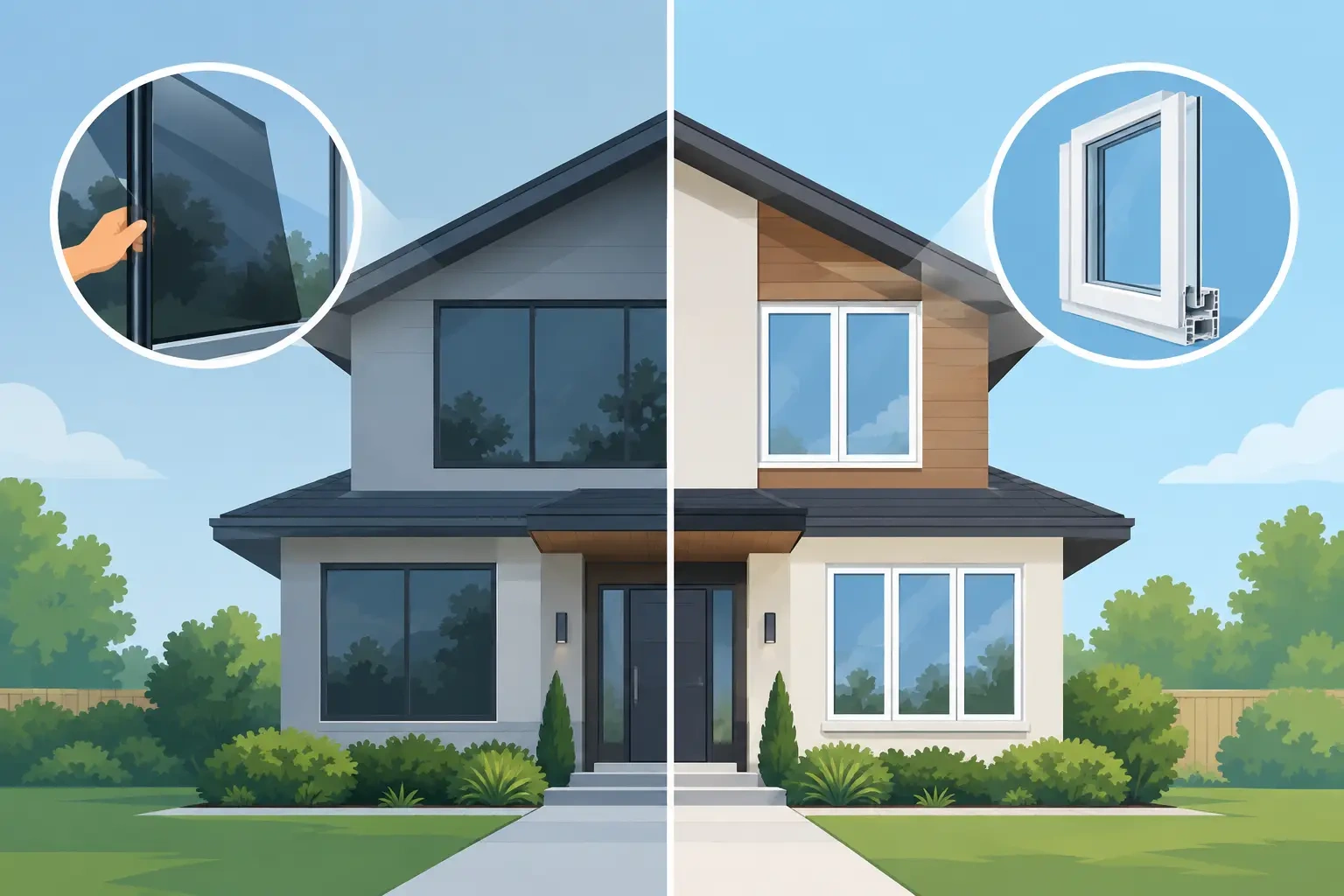
Tinting Versus Window Replacement for Your Property A hot west-facing room, a glaring office window or furniture fading beside the glass can make owners assume the windows themselves have failed. Often, they have not. When considering tinting versus window replacement, the best answer comes down to what is wrong with the existing glass, what result you need, and how much disruption and cost make sense for the property. For many Gold Coast and Brisbane homes, offices and shopfronts, professionally installed window film can improve heat, glare, UV protection and privacy without removing a single pane. Replacement has its place too, particularly where glass, frames or seals are genuinely worn out. The key is not paying for a full window upgrade when a tailored film solution will do the job. ## Tinting versus window replacement: start with the real problem Window replacement changes the glazing system itself. That may mean new glass, new frames, altered window openings and, in some cases, building work around the reveal, internal finishes or external cladding. It is a larger project designed to address structural, functional or major performance issues. Tinting adds a high-performance film to existing glass. The film can reject solar energy, reduce harsh glare, filter UV, increase daytime privacy, create a frosted finish or add safety benefits. It is a practical retrofit where the windows are sound but their current performance does not suit how the space is used. If the room is overheating each afternoon but the glass is intact, film is often the sensible first option. If a meeting room needs privacy without losing light, frosted film can achieve it neatly. If a retail display is bleaching in direct sun, a solar-control film may protect stock and improve comfort for staff and customers. Replacement becomes more relevant when there are cracked panes, failed seals in double glazing, water leaks, damaged frames, difficult-to-operate windows or a planned renovation that already involves changing the openings. Film improves the performance of the glass you have. It cannot repair rotten timber, stop water entering through a failed frame or restore a damaged sealed unit. ## The cost difference is usually significant Replacing windows is rarely a small expense. The price includes new glazing and frames, removal and disposal of old materials, labour, possible patching or repainting, and the risk of extra work once the old windows come out. On a commercial building, access equipment and staging can add further cost. Window tinting is generally far less disruptive and more economical because the existing glazing remains in place. A competent installation can often be completed with little interruption to a household or workplace. There is no need to pull out frames, make good surrounding finishes or leave rooms exposed while new windows are fitted. That does not mean the cheapest film is always the right film. A very dark product can reduce visible light more than a room needs, while a low-quality film may not perform or age as expected. The right choice considers the orientation of the glass, how the room is used, the type of glazing and the balance between heat reduction, glare control and natural light. For an owner preparing a property for sale, a landlord improving tenant comfort or a business needing a quick fix before summer, tinting can deliver a noticeable improvement without turning the job into a renovation project. ## Heat and glare: film can make an immediate difference Queensland sun through untreated glass can make a room unpleasant long before the outdoor temperature peaks. Air conditioning then has to work harder, desks get moved away from windows, blinds stay closed and the outlook disappears. That is not a window-frame problem. It is a solar gain problem. The right solar-control film can [reduce heat](https://www.tradetint.com.au/blog/does-window-film-reduce-heat) by up to 79% and glare by up to 93%, depending on the product and glass configuration. Results vary with the window’s direction, size, shading and whether the glass is single or double glazed, but the change can be substantial in rooms exposed to direct afternoon sun. Replacement with modern energy-efficient glazing can also improve thermal performance, especially in an older home with poor-quality windows throughout. It may be worthwhile during a major renovation or new build. But where the main issue is sun load through otherwise serviceable glass, film is often the faster and better-value response. A common concern is ending up with a dark house. That is where film selection matters. Some films are designed to reduce heat and UV while keeping a lighter appearance. Others provide stronger glare control or privacy. There is no one-film answer for every elevation. A bright south-facing living area may need something very different from a western bedroom or a glass-fronted office. ### UV protection is about more than comfort Sunlight can [fade timber floors](https://www.tradetint.com.au/uv-film-for-fading-furniture), rugs, upholstery, artwork, stock and office furnishings. Window film helps filter UV exposure, which is one of the contributors to fading. It will not stop every form of deterioration, as visible light and heat also play a part, but it is a worthwhile layer of protection for valuable interiors. This is especially useful in rooms with large panes of glass, display windows and homes where curtains are kept open for the view. You should not have to choose between natural light and looking after the things inside the room. ## Privacy, appearance and safety may rule out replacement Not every glazing issue is about temperature. Many homes in newer estates are overlooked by neighbouring properties, while offices need confidential rooms without creating a closed-in feeling. Replacing clear windows with new opaque or patterned glass can be expensive and permanent. Frosted and decorative films provide a more flexible alternative. Frosted film works well for bathrooms, entry sidelights, internal office partitions, medical rooms and street-facing glass. It allows light through while obscuring the view. Decorative vinyl can also add branding or a custom design to commercial glass without replacing it. Safety and security films solve a different problem. They can help hold broken glass together after impact, reducing the immediate spread of shards. They are useful for some shopfronts, schools, offices and homes, but they should be specified for the risk involved rather than treated as a substitute for every security measure. Where there is a specific compliance requirement or severe risk exposure, the glass and whole system may need a more comprehensive assessment. ## When replacement is the better call Tinting is not a cure-all, and a straightforward recommendation should say so. Replacement deserves serious consideration in a few situations: - The glass is cracked, chipped badly or no longer safe. - Double-glazed units show moisture or fogging between panes, indicating a failed seal. - Frames are warped, corroded, rotting or leaking. - Windows do not open, close or lock correctly. - You are undertaking a major renovation and want to change window size, style or ventilation. In these cases, adding film may improve solar control but leave the main fault untouched. It is better to repair or replace the failing window first, then consider film if extra heat, glare or privacy control is still required. There are also glass-compatibility considerations. Some existing panes, especially certain double-glazed or coated units, need the correct film to avoid unnecessary thermal stress. This is why a proper inspection and film recommendation matter. Looking at the glass, its location and its exposure is more useful than selecting a shade from a photo online. ## A practical choice for homes, rentals and workplaces For homeowners, the decision is often driven by comfort in a few problem rooms rather than every window in the house. Tinting can target the lounge, bedrooms, kitchen or home office that cop the worst sun. For landlords, it can be a sensible improvement that makes a rental more comfortable without the capital cost and downtime of replacing windows. In commercial spaces, the benefit can be felt in staff productivity and customer experience. [Screen glare](https://www.tradetint.com.au/blog/how-to-stop-screen-glare-in-your-home-or-office) makes desk work frustrating. A hot shopfront can make displays difficult to see and the area uncomfortable to stand in. Privacy film can turn clear meeting-room glass into a usable confidential space without construction work. I have installed window film since 1993, and the most effective projects start with an honest look at the result the customer wants. Sometimes that is a light solar film. Sometimes it is frosting for privacy, a safety film for a vulnerable pane, or removal of old film before a fresh installation. If replacement is the only sensible remedy, it is better to know that before spending money on a temporary fix. ## Get the recommendation based on your glass, not a guess Before deciding, stand in the room at the time it is most uncomfortable. Notice whether the issue is heat, glare, fading, privacy or all four. Check for failed seals, damaged glass and frame problems. Then consider whether you need a whole-window upgrade or an improvement to the glass already in place. For a clear tinting quote, measured window sizes and a few photos showing the glass and its outlook are a useful starting point. A tailored recommendation can keep the rooms you enjoy bright, while taking the sting out of the Queensland sun.