will-window-tint-damage-glass
Will window tint damage glass? Learn when film is safe, what causes thermal stress and how a correct site check protects Gold Coast and Brisbane windows.
Oct 6, 2026
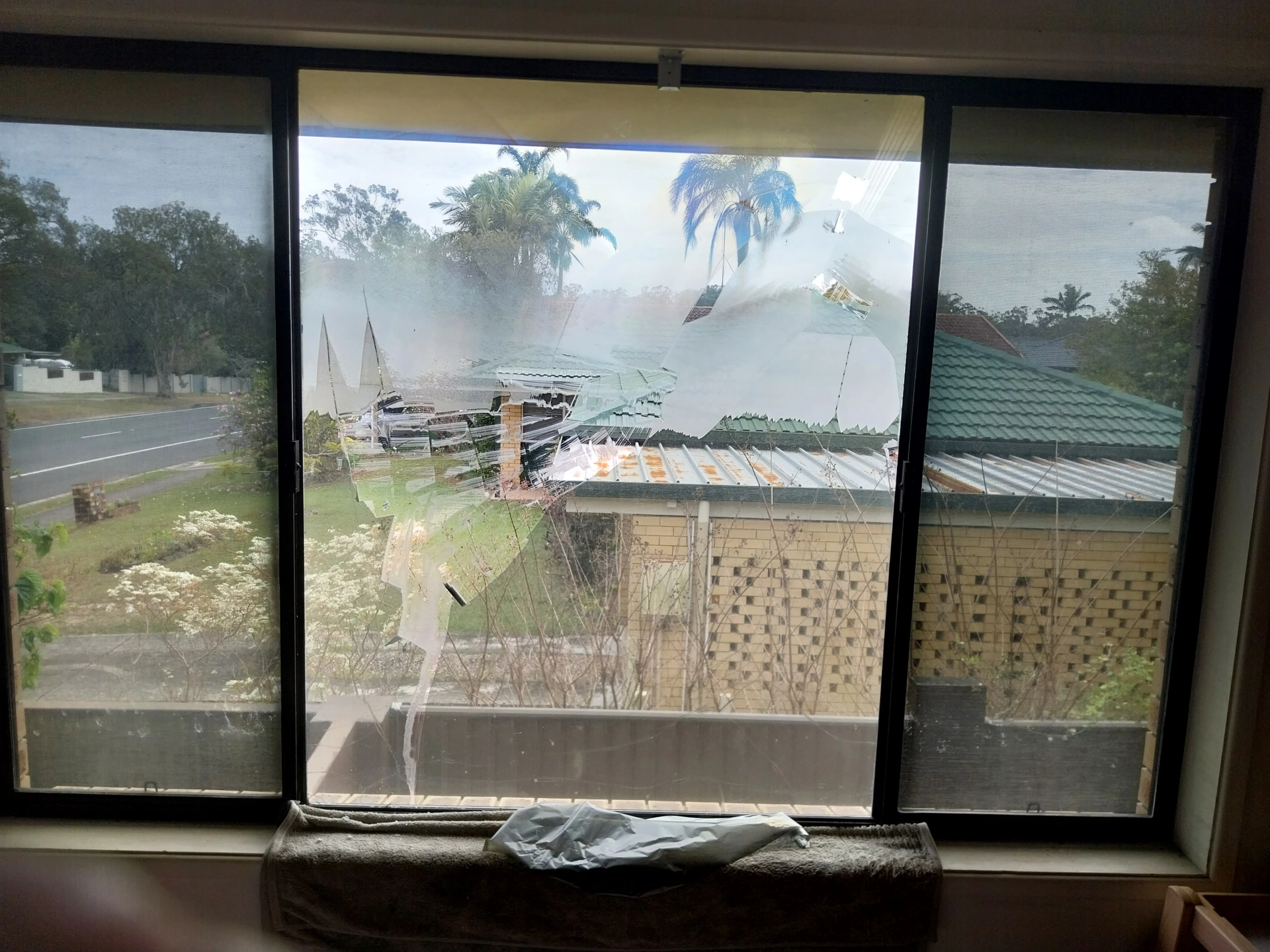
# Will Window Tint Damage Glass? The Honest Answer A west-facing living room can cop a remarkable amount of heat on a Gold Coast afternoon. Window film is often a practical way to cut glare, heat and UV exposure without replacing the glass, but customers reasonably ask: will window tint damage glass? The honest answer is no, not when the right film is selected for the glass and installed properly. The concern comes from thermal stress - a real issue that can occur when unsuitable film changes the way a particular pane absorbs and releases heat. It is not a reason to avoid tinting altogether. It is a reason to have the glass assessed before a film is recommended. I have installed window tint since 1993, and the first part of a proper quote is understanding the existing glazing, the sun exposure and the result you want. That is how you gain the benefits of film without taking unnecessary risks. ## Will window tint damage glass in normal use? A quality architectural window film does not chemically damage glass. It is applied to the inside surface using a purpose-made mounting solution and adhesive system. If it is later removed correctly, the film and adhesive can be taken off without harming sound glass. Where problems can arise is heat. Solar-control film reflects and absorbs some solar energy before it enters the room. That is precisely why it can make a space more comfortable. Depending on the film and glazing, it can substantially [reduce heat, glare](https://www.tradetint.com.au/how-to-reduce-window-heat) and UV exposure. But if a pane already has conditions that make it prone to uneven heating, a film can increase the chance of a thermal stress crack. That distinction matters. A crack after tinting does not automatically mean the installer has damaged the glass. Glass can have pre-existing edge chips, old stress damage or installation faults that only become apparent as temperatures change. Equally, a reputable installer should not simply apply the darkest or cheapest film and hope for the best. Film selection needs to suit the pane. ## What thermal stress means for tinted windows Glass expands as it heats up. If one area of a pane gets much hotter than another, it can create stress within the glass. The centre may be warmed by direct sun while the edges remain cooler inside the frame. If that stress exceeds what the glass can tolerate, a crack may develop. Thermal stress cracks often start at the edge of the glass and travel inward. They can look different from impact damage, which usually has a visible point of contact or star-shaped break. Only an inspection can determine the likely cause, so it is worth avoiding assumptions if a pane cracks. Window film does not create the sun or an existing glass weakness. What it can do, in the wrong circumstances, is alter the heat profile enough to expose that weakness. This is why the type of glass, frame, shade pattern and chosen film all matter. ### Glass and window conditions that need checking Standard clear float glass is common in older homes, shopfronts and offices, but it is not the only consideration. Toughened glass, laminated glass, double-glazed units and coated glass each behave differently. Some combinations work very well with film. Others need a carefully selected low-absorption product, while certain factory coatings or glazing systems may be unsuitable for particular films. I also look for practical site conditions: chipped glass edges, cracks, worn glazing rubbers, tight frames, existing decals, partial awnings and external shade. A dark blind left halfway down, a flyscreen shadow or a solid external structure can create an uneven band of sun and shade. That does not always rule out tinting, but it affects the recommendation. Large panes facing north or west deserve particular attention in South East Queensland. They receive intense sun, especially through summer, and a film that performs beautifully on one elevation may not be the right choice on another. The aim is not simply to make the glass darker. It is to manage solar load while maintaining a safe and useful result. ## The right film is not always the darkest film Customers often assume darker tint means better heat reduction. It can reduce visible light and glare, but darkness alone is not the measure of performance or suitability. Modern solar films are available in a range of finishes, including lighter and more reflective options, that can reduce solar heat while keeping rooms bright. A suitable film balances several things: heat reduction, glare control, daytime privacy, the appearance from inside and outside, and compatibility with the existing glass. For a home office, [glare on screens](https://www.tradetint.com.au/blog/how-to-stop-screen-glare-in-your-home-or-office) may be the biggest problem. For a street-facing bathroom or meeting room, privacy may take priority. A retail shopfront may need to protect stock from fading without making the display feel closed off. Frosted and decorative films are different again. They are generally chosen for privacy or presentation rather than solar control. Safety and security films have their own specifications and installation methods. Treating every film as if it has the same effect on glass is where poor advice starts. ## Can window tint damage double glazing? Double glazing needs more care, not less. The sealed unit contains two panes separated by an air or gas-filled space, and the performance of the unit depends on the glass types, coatings and seal condition. Applying film to the internal room-side pane may be suitable in many cases, but it must be checked against the unit manufacturer’s guidance and the film manufacturer’s compatibility information. The main concerns are thermal stress and, in some situations, the existing warranty on the glazed unit. Some double-glazed windows have low-E coatings or specialised glass combinations that affect which film can be safely used. There is no one-size-fits-all answer based only on whether the window has two panes. If the double glazing is old, shows condensation between panes or has a damaged seal, that is a separate window issue. Film will not repair a failed unit. It is better to identify that before any tinting work is booked. ## Does removing old tint damage the glass? Old film can look tired, bubble, discolour or become difficult to see through. In most cases it can be professionally removed without damaging the glass. The process is slower than fitting new film because the adhesive may have hardened over years of sun exposure, particularly on north- and west-facing windows. The risk usually comes from rushed removal. Scraping with the wrong blade, using unsuitable chemicals or pulling brittle film away aggressively can scratch glass, damage seals or leave adhesive behind. Rear vehicle glass is particularly delicate because of demister lines, but architectural glass also benefits from the right tools and patience. On homes and commercial premises, I assess old film before quoting removal and replacement. This is especially useful where glass has decals, silicone edges, ageing frames or other surface treatments. Sometimes removal is straightforward. Sometimes the condition of the existing film means extra preparation is needed, and that should be clear upfront. ## How to reduce the risk before tinting windows The safest approach begins before a roll of film is opened. Provide clear photos of the windows, tell the installer whether the glass is single or double glazed if you know, and point out any cracks, chips, blinds, awnings or areas that receive strong afternoon sun. If you have building paperwork or glazing details, keep them handy, particularly for newer homes and commercial projects. At the site, the installer should inspect the glass rather than quote from a generic square-metre rate alone. Measuring matters, but so does looking at the edges, frames, orientation and room use. A transparent recommendation may mean a different film from the one you first had in mind. In a few cases, it may mean advising against a particular product on a particular pane. That is not overcaution. It is the difference between selling film and taking responsibility for the finished job. ## A practical answer for Gold Coast and Brisbane properties For most sound, compatible windows, professionally installed film is a safe upgrade that can make harsh sun easier to live and work with. It can help reduce glare on televisions and monitors, protect [furnishings from UV exposure](https://www.tradetint.com.au/uv-film-for-fading-furniture) and improve comfort in rooms that run hot through the afternoon. For offices, it can also make workspaces more pleasant without the disruption and cost of replacing glazing. The key is matching the film to the glass. A quick look at a window can miss details that matter, while an experienced on-site assessment can identify whether solar control, privacy, frosting, safety film or no film at all is the sensible option. If you are concerned about a specific pane, start with its condition and sun exposure rather than choosing a tint by appearance alone. A measured, personal assessment gives you a clearer answer - and a better chance of enjoying cooler, more comfortable rooms for years to come.