window-film-quote-guide-gold-coast
Use this window film quote guide to compare film choices, measurements and installation costs for Gold Coast and Brisbane properties with confidence today.
Nov 10, 2026
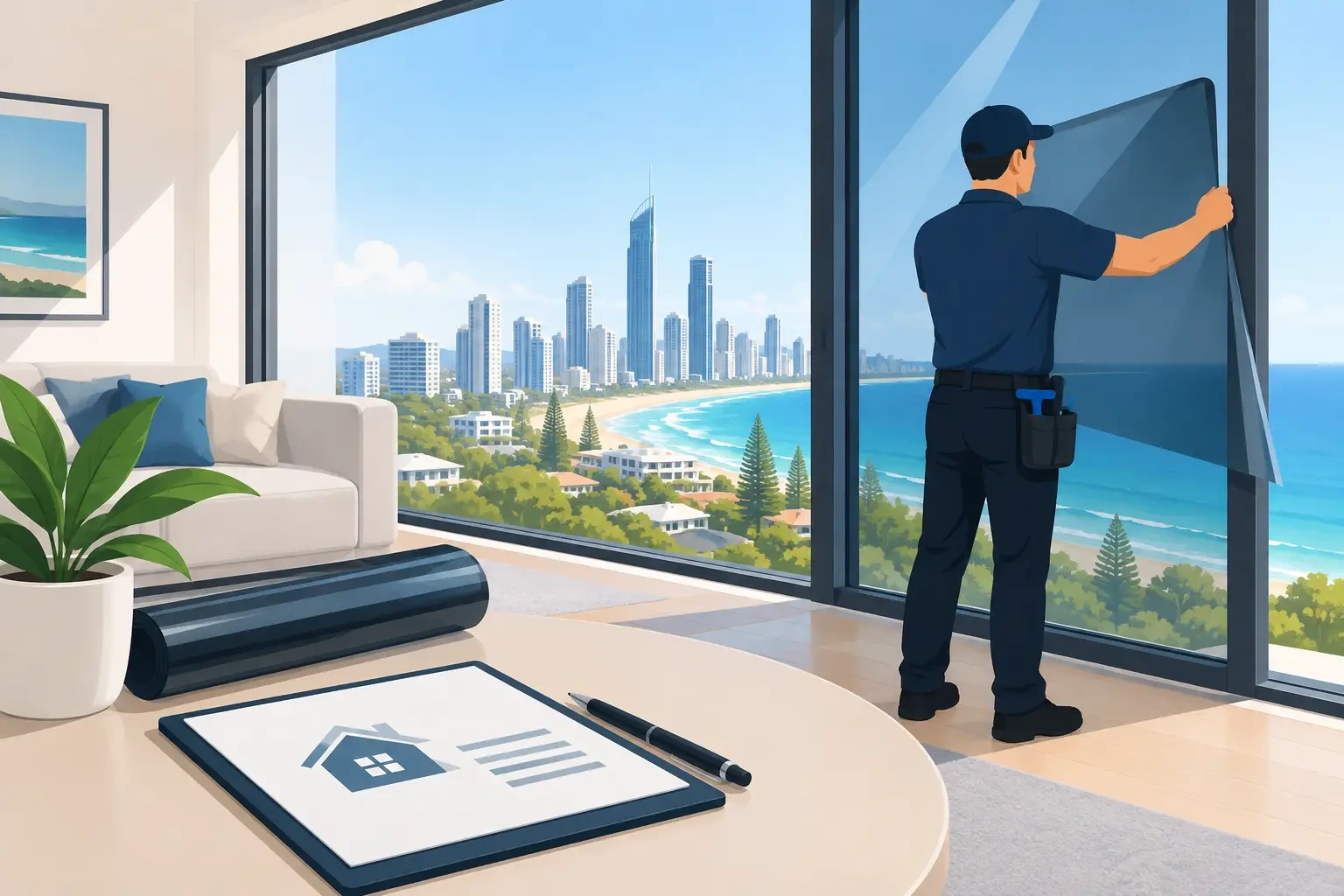
# Window Film Quote Guide for Gold Coast Homes A west-facing lounge can look perfect at 9 am, then become the room nobody wants to use by mid-afternoon. The right film can make a noticeable difference to heat, glare, fading and privacy, but only when it is selected for the glass, the room and the result you want. This window film quote guide explains what should be included in a proper quote, what affects the price, and how to compare options without paying for the wrong solution. I have installed window film across the Gold Coast and Brisbane since 1993, and the first step is never simply picking the darkest-looking film. A good quote starts with the problem you are trying to solve. ## Start with the outcome, not the film name Window films can look similar in a sample book yet perform very differently once installed. For a home, the priority might be cooling a hot bedroom, reducing glare on the television, stopping timber floors and furnishings from fading, or adding privacy to a bathroom. For an office, it could be staff comfort, computer-screen glare, meeting-room privacy or a more consistent appearance across a glass frontage. Be clear about which issue matters most. Solar-control film is generally the best fit for heat, glare and UV exposure. Frosted film is suited to privacy where you still want daylight. Decorative films can create privacy or define areas without making a space feel closed in. Safety and security films are selected for strengthening glass and helping hold broken pieces together after impact. Vinyl applications may suit branding, obscured areas or a particular visual finish. There are trade-offs. A darker solar film can reduce glare very well but may change the view out and reduce visible light more than a lighter, higher-performing option. A mirrored film can provide useful [daytime privacy](https://www.tradetint.com.au/daytime-privacy-overlooked-windows), but at night the brighter side of the glass is easier to see through. If the lights are on inside, that often means privacy is reduced from outdoors. This is why a quote should explain what a film will and will not do. ## What a window film quote should include A useful quote is more than a total dollar figure. It should show enough detail for you to understand the scope of work and compare it fairly with another proposal. At a minimum, look for the film type or product range, the windows or glazed areas being covered, preparation and installation, and whether GST is included. If there are special conditions, such as difficult access, high-level glazing, old film removal or detailed trimming around frames, these should be visible rather than appearing as a surprise later. The best quotes also connect the film to its expected benefit. For example, a solar film recommendation should explain its likely impact on heat, glare and UV, rather than just saying “tint”. Depending on the film and existing glass, solar-control window film can reject up to 79% of solar heat and reduce glare by up to 93%. Actual results depend on the direction the windows face, the amount of glass, external shading, the original glazing and the selected film. For privacy film, the quote should state whether the finish is frosted, opaque, patterned or one-way during daylight. For safety film, it should identify the thickness and any required attachment system, particularly where the aim is improved glass retention rather than appearance alone. If removal of existing tint is required, it needs to be priced separately or clearly included. Older film can vary significantly in condition. Some lifts away cleanly, while sun-baked adhesive can take much more preparation to remove properly. ## Measurements make the difference The fastest way to get an initial price is to provide the glass measurements, not just the room dimensions. Measure the visible glass width and height of each pane in millimetres or centimetres, then note how many panes are the same size. A quick photo of the windows, taken from inside and outside where possible, also helps identify frame type, access and whether there are bars, louvres or unusual shapes. For example, “four bedroom windows, 900 mm by 1,200 mm, aluminium frames, first floor” gives far more useful information than “need tinting for bedrooms”. It allows an installer to estimate material, labour and access with greater accuracy. That said, an initial price is not a substitute for confirming the job. Glass can be measured incorrectly, panes can have different sizes within the same room, and site access can change the installation time. I confirm the final scope before installation so there is no sales-to-installer handover and no guesswork about what has been allowed for. ## The main factors behind window film pricing Window film is usually priced by the size and number of panes, but square metres are only part of the picture. A single large, easy-to-reach pane may take less time than several small panes divided by mullions. Ground-floor windows are generally simpler than glazing above a stair void, behind built-in furniture or at height in a commercial property. Film choice also affects the quote. Standard solar and privacy films can be cost-effective for broad coverage. Premium ceramic or spectrally selective films generally cost more, but they can provide strong heat rejection while keeping a lighter, more natural appearance. This can be worthwhile where you value daylight and clear views, or where dark tint would alter the look of the property too much. The type of existing glass matters as well. Clear single glazing, tinted glass, laminated glass, double glazing and certain coated or energy-efficient glass units need to be assessed before a film is selected. Applying the wrong film to unsuitable glass can increase thermal stress and create a [risk of cracking](https://www.tradetint.com.au/blog/will-window-tint-damage-glass). It does not happen on every job, but it is a real consideration, especially on large panes exposed to strong Queensland sun. A proper recommendation accounts for those conditions rather than applying one product across every window because it is convenient. ## Comparing two quotes fairly The lowest price is not always the lowest cost over time. If one quote names the film and its performance while another only says “window tint”, you are not comparing like for like. Ask what film is proposed, where it will be installed and why it suits the glass. It is also worth asking who will carry out the installation. Some businesses separate the sales visit from the installation team. That model can work, but it can also create room for misunderstandings about measurements, access, requested finishes or the reason a specific film was chosen. With Trade Tint, I personally quote and install each project, from one troublesome glass door through to larger commercial glazing programmes. Check whether the quotation includes cleaning and surface preparation, trimming, removal and disposal of old film if needed, and a clear warranty position. Window film needs careful preparation. Dust, silicone residue, old adhesive and damaged seals can affect the finish, so these details are part of workmanship, not add-ons to ignore. For commercial work, also confirm whether the quote allows for staging, after-hours access, working around staff or customers, safety requirements and a phased installation. A shopfront or office does not always need to close for the job, but the installation plan should minimise disruption. ## Choosing the right film for common problems For heat-heavy rooms, start with the sun-facing glass. North- and west-facing windows often deliver the biggest improvement, although roofline, awnings and surrounding buildings all affect the result. A solar-control film can make a room more comfortable and reduce the load on air conditioning, particularly when there is a large expanse of unshaded glass. For glare, consider when and where it occurs. A home office may need a different film from a lounge room because screen use is more sensitive to reflected light. A lighter film may be enough if glare is the only issue. If heat is also a problem, a stronger solar film could offer better value. For privacy, think about both directions and both times of day. Frosted film is reliable for bathrooms, sidelights, internal office partitions and windows facing a close neighbour because the privacy does not depend on daylight. Daytime reflective film can work well for outward views and daytime privacy, but it should not be sold as complete night-time privacy. For fading, window film helps [reduce UV exposure](https://www.tradetint.com.au/uv-film-for-fading-furniture), but UV is not the only cause. Visible light and heat also contribute to fading. Film is a worthwhile protective layer for flooring, artwork, curtains and furniture, though valuable items may still need blinds, placement away from direct sun or other protection. ## Before you request a quote Walk through the property at the time the problem is at its worst. Notice where the sun lands, whether glare comes through one pane or an entire wall, and whether you want a change that is barely noticeable or a more obvious tinted look. Take measurements and a few photos, then describe the outcome you are after. A clear brief produces a clearer price. It also leaves room to compare a practical option against a premium one, rather than receiving a single figure with no explanation. If you have measured sizes ready, I can provide immediate pricing and discuss the suitable film options, including the available 10% discount. The right quote should leave you confident about the finish, the performance and the person turning up to do the work. Start with the rooms causing the biggest discomfort, and choose film based on how you actually use the space.