window-glare-reduction
Window glare reduction for Gold Coast and Brisbane homes and offices: cut screen reflections, soften harsh sun and keep rooms naturally bright year-round.
Oct 12, 2026
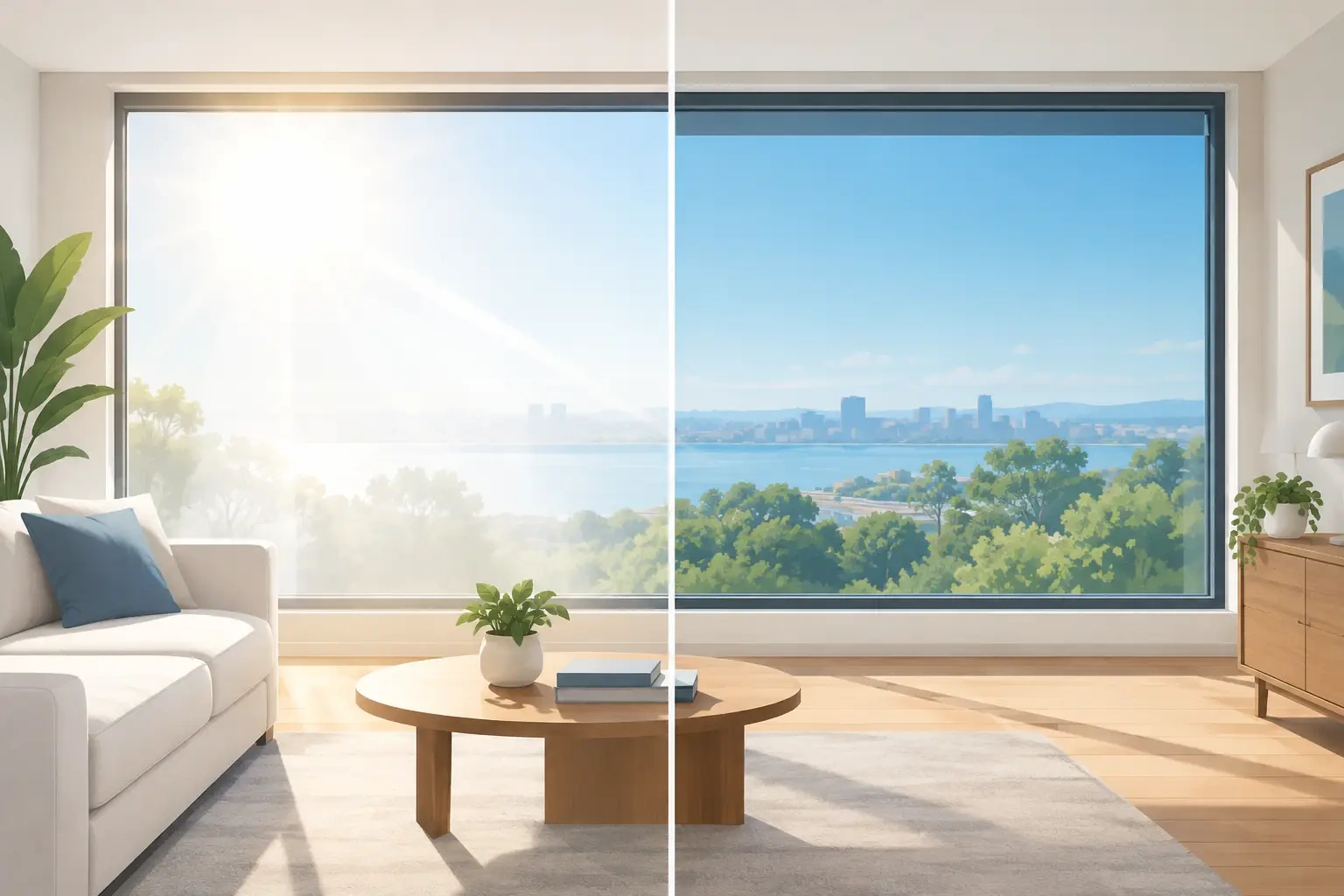
# Window Glare Reduction for Brighter Rooms A sunny room should not force you to shut the blinds, move your desk or give up on watching television in the afternoon. On the Gold Coast and in Brisbane, strong sunlight through large windows can turn screens into mirrors and make otherwise useful rooms uncomfortable. Effective window glare reduction lets you keep the view and much of the natural light, while taking the sharp edge off direct sun. Window film is often the practical answer where replacing glass is unnecessary or out of budget. The right film can reduce glare by up to 93%, depending on the glass, film selection and direction of the windows. It can also reduce solar heat and UV exposure, which means the improvement is felt well beyond the screen you are trying to see. ## Why glare is more than a screen problem Glare happens when bright sunlight contrasts heavily with the rest of the room. It might be sunlight hitting a TV, reflections on a laptop, or a bright patch across a kitchen bench. Your eyes keep adjusting between the high-light and lower-light areas, causing squinting, eye strain and headaches for some people. For homeowners, the usual trouble spots are west-facing living rooms, home offices, kitchens with large sliding doors and bedrooms where early light comes straight through the glass. For commercial properties, it is often workstations near external glazing, meeting rooms, reception areas and shopfronts. Staff may close blinds to get through the day, leaving the office darker and less welcoming than it needs to be. Curtains and blinds certainly have a place, particularly at night for privacy. But when they are closed during the day, they also block the view and natural light you paid for. Window film works directly on the glass, so it can manage the intensity of sunlight without making a room feel shut away. ## Window glare reduction starts with the window itself Not every glare issue needs the darkest tint. In fact, going too dark can create a different problem by reducing useful daylight, especially in shaded rooms or areas used at night. I look at the direction the glass faces, the size of the windows, surrounding buildings, existing blinds and how the room is used before recommending a film. A bright west-facing lounge may suit a solar-control film with stronger glare and heat rejection. A home office with moderate daylight may need a lighter, more neutral film that improves screen visibility without noticeably changing the feel of the room. A street-facing bathroom or meeting room may need privacy as well as glare control, which can point to [frosted film](https://www.tradetint.com.au/blog/frosted-film-for-bathroom-windows) rather than a solar tint. The existing glass matters too. Clear single glazing, toned glass, double glazing and toughened safety glass do not all behave the same way once film is applied. A proper recommendation considers compatibility and the manufacturer’s film-to-glass guidance, not just how dark a sample looks in the hand. ### Visible light and glare are related, but not identical Visible light transmission, often called VLT, describes how much visible light passes through a film and glass combination. Lower VLT usually means a darker appearance, but darker is not automatically better. Film construction, reflectivity and the way it rejects solar energy all affect the final result. For example, a quality neutral film may provide useful glare reduction while retaining a lighter appearance from inside. A more reflective film can deliver stronger solar performance and daytime privacy, but it may alter the external appearance of the building. At night, when interior lights are brighter than outside, reflective window film does not provide the same privacy. Blinds or curtains are still the sensible solution if night privacy is a priority. That is why choosing from a chart alone can be misleading. A small sample helps with colour, but it cannot show how a film will perform across a large west-facing window at 4 pm in January. ## The practical benefits of solar-control film Glare is normally part of a bigger comfort issue. The same sunlight that washes out a television screen also brings [heat and UV](https://www.tradetint.com.au/how-to-reduce-window-heat) through the glass. A well-chosen solar film can reduce heat entering through windows by up to 79%, depending on the product and glazing, helping rooms feel more usable during Queensland’s warmer months. That can make a noticeable difference in a lounge where the afternoon sun lands directly on the couch, or in an office where air conditioning runs hard while people still avoid the desks near the windows. Window film will not replace insulation, ventilation or a correctly sized air-conditioning system, but it reduces one of the biggest solar loads in many glazed rooms. UV filtering is another worthwhile benefit. Interior furnishings, timber floors, artwork, stock displays and fabrics can [fade over time](https://www.tradetint.com.au/uv-film-for-fading-furniture) when exposed to direct sunlight. Film can significantly reduce UV exposure, although no film can completely stop fading because visible light and heat also contribute. It is a sensible layer of protection, not a promise that sun damage will never occur. ## Where the right film makes the biggest difference Large expanses of glass usually offer the clearest opportunity. Sliding doors, picture windows, full-height office glazing and shopfronts all let in plenty of daylight, but they can also create uncomfortable reflections and heat build-up. In homes, I commonly see glare problems in open-plan living areas where a television faces a window, home offices with a laptop positioned beside glass, and kitchens that are perfect in the morning but harsh by late afternoon. Repositioning a screen can help, but it is not always possible when the room layout is fixed. In offices, glare affects more than comfort. People may tilt monitors, pull down blinds, avoid certain workstations or switch on lights during the day because the blinds have been closed. Reducing glare while maintaining daylight can make the space more consistent and easier to work in. For retail premises, film can make displays easier to see and help protect stock from excessive sun exposure without hiding the shopfront. ## What to expect from installation Professional film installation is a clean, relatively quick upgrade compared with replacing windows. The glass is prepared carefully, the film is cut and fitted, then moisture is squeegeed out from beneath the film. Depending on the size and access of the job, a single room may be completed promptly, while larger homes and commercial glazing programs are planned around the site’s needs. After installation, the film needs time to cure. You may see a little haziness or small moisture pockets while the adhesive settles, particularly in cooler or wetter conditions. This is normal and generally clears as the film dries. Avoid cleaning the glass immediately, and then use a soft cloth with a non-abrasive cleaning method once the curing period has passed. For a lasting result, the finish around edges and seals matters just as much as the film itself. That is where experienced installation earns its value. Poorly fitted film can show contamination, lifting edges or uneven lines that become more obvious over time. ## A tailored recommendation is worth more than the darkest tint I have installed window film since 1993, and I personally quote and install each Trade Tint project. That means the person assessing the glare, discussing film options and measuring the glass is the person responsible for the finished job. Before choosing a film, think about when glare occurs, which way the windows face, whether you need daytime privacy, and how much natural light you want to retain. Photos of the room at the problem time of day can be useful, especially for windows affected by late-afternoon sun. For straightforward pricing, measured glass sizes are helpful too. The best result is not a room made dark. It is a room where you can work, relax or serve customers without constantly reacting to the sun, while still enjoying the light and outlook that made the space appealing in the first place.